The Republic

Chapter I · Money

The Money Record

One hundred and thirteen years of Nigerian money, in four acts: the currency broken before the conquest, the colonial treasury, the boom and the collapse, and the trillion-naira budgets that buy less than the millions did. Every figure sourced to a gazette, a court filing or a budget document.

The same money, in 2026

1899

₦1.73m

£865,000 for the country

×1 · converted at ₤1 = ₦2

1973

₦7,009

₦1 at decimalisation

×7,009 · the first naira

1980

₦3.46m

₦1,500 at the oil-boom peak

×2,310 · a third of a new saloon car

2005

₦15,829

₦1,000 — the largest note

×16 · still the largest note in 2026

I

1880 — 1913

£865,000

paid to the Royal Niger Company in 1899, plus half of all mineral royalties for 99 years

The currency was broken before the country was taken

Nigeria's monetary history begins with a demolition. Between 1845 and 1912 the cowrie and the manilla were flooded, devalued, then legislated out of existence — and the merchant princes who might have resisted annexation lost their working capital first.

Cowrie purchasing power on the Lagos coast fell by more than eighty per cent between 1851 and 1869 as British and German firms shipped in the larger East African ring cowrie by the ton. The Lagos Currency Proclamation of 1880 made the British shilling legal tender; the Native Revenue Ordinance of 1908 made tax payable only in coin, forcing every household into the sterling economy; the West African Currency Board took the monopoly in 1912. The Maxim gun arrived after the currency had already fallen.

II

1914 — 1972

₤1 = ₦2

the statutory conversion of 1 January 1973 — the last time Nigerian money was redenominated upward

One treasury, two economies

Amalgamation was a fiscal transaction. The South's customs receipts covered the North's deficit, and the railway made the transfer mechanical rather than political — a structure that outlived the Empire that built it.

The unified 1914 budget ran to about £4.4 million; Lagos and the southern ports raised roughly half of it, the Northern Provinces under £800,000 against more than £1.5 million of spending. Oil was struck at Oloibiri in 1956, four years before independence, and the Central Bank issued the Nigerian pound in 1959. The last colonial monetary act was the most successful currency reform in Nigerian history: on 1 January 1973 the pound became the naira at ₤1 = ₦2.

III

1973 — 1998

₦0.546

naira per US dollar at the 1980 oil-boom peak; ₦1,700 by December 2024

The boom, and the machinery for losing it

For seven years the naira was worth more than the dollar. Then oil revenue collapsed, structural adjustment floated the currency, and a head of state moved more money out of the country than the federal capital cost to build.

The naira peaked at ₦0.546 to the dollar in 1980. Babangida's Second-Tier Foreign Exchange Market auctioned it in 1986 and it reached ₦4 within months, ₦22 by 1993, ₦82 on the autonomous market by 1995. Buhari's 1984 demonetisation closed the borders to invalidate hoarded cash; the 1991 reissue demoted 50 kobo and ₦1 to coins. What was extracted in the Abacha years is still being repatriated three decades later.

IV

1999 — today

₦54.99tn

Appropriation Act 2024 — the largest budget ever passed, and among the smallest in dollars since 2011

Bigger numbers, smaller money

Democratic budgets are quoted in trillions and financed by deficits. The denominations rose to ₦1,000 and stopped; the price level did not.

The ₦100, ₦200, ₦500 and ₦1,000 notes were all introduced between 1999 and 2005 as inflation outran the existing range. Since then no new denomination has been issued, and the largest note has lost roughly nine-tenths of its value. The 2022 redesign produced a cash famine and a Supreme Court judgment; the 2023 exchange-rate unification took the official rate from ₦461 to ₦1,700 in eighteen months. The 2024 Appropriation Act ran to ₦54.99 trillion — about $34 billion at the year-end rate, roughly what the country budgeted in dollar terms in 2014.

The Ledger, in chronological order

1899Acquisition

Niger Coast and Royal Niger Company assets purchased

The British Crown bought out the Royal Niger Company's charter for £865,000 plus a guaranteed 50% share of all mineral royalties for 99 years — the legal birth of what would become Nigeria. See the [99-year mineral royalty deep-dive](/stories/rnc-mineral-royalties-99-years).

£865,000 + 50% royalties × 99 yrs

1880Currency

Cowrie demonetisation — the monetary conquest of Nigeria

Between 1880 and 1912 the British state extinguished West Africa's oldest currency by law: cowries lost legal-tender status in stages, taxes were made payable only in sterling coin, and the West African Currency Board completed the substitution. The economic violence preceded — and made possible — the military conquest. See the [pivotal story](/stories/how-the-currency-fell-before-the-flag).

1880 shilling · 1902 tax-in-coin · 1912 WACB

1914Amalgamation

Northern and Southern Protectorates unified

Lugard's amalgamation. A single colonial budget for the first time; the customs receipts of Lagos subsidising the North.

£4.4m revenue

1956Oil

First commercial oil discovery at Oloibiri

Shell-BP strikes oil in Bayelsa. The fiscal architecture of the federation begins its slow inversion away from agriculture.

5,100 bbl/day

1970Reconstruction

Post-war Second National Development Plan

₦3 billion plan. Reconstruction, rehabilitation, reconciliation — funded by an [oil boom spending](/stories/oil-decade) wave that had just begun.

₦3 billion

1995Lost

Abacha-era foreign reserves

Independent reconstructions place laundered sums at roughly $5 billion across Swiss, Jersey, Liechtenstein and London accounts.

≈ $5 billion

1999Recovery

Abacha Family Funds: first repatriation tranche

The long, contested return — Switzerland, Jersey, Bailiwick of Guernsey, the United States, the United Kingdom.

$1.2 billion (cumulative by 2020)

2012Subsidy

Fuel subsidy probe — House Resolution 79

House of Representatives ad-hoc committee finds ₦1.7 trillion paid for fuel not delivered between 2009 and 2011.

₦1.7 trillion

2014Missing

NNPC unremitted oil receipts (Sanusi disclosure)

Central Bank Governor Sanusi Lamido Sanusi: $20 billion in oil sales unaccounted for. PWC audit later confirms $1.48 billion shortfall, with disputed methodology around the remainder.

$20 billion (claimed)

2023Deficit

Federal Budget deficit

Fiscal year deficit of ₦11.34 trillion — the largest in nominal naira terms in Nigerian history at the time of recording.

₦11.34 trillion

2024Budget

Appropriation Act, 2024

₦54.99 trillion budgeted. Debt service projected to exceed ₦8 trillion. The fiscal envelope is now larger than total federal revenue.

₦54.99 trillion

What was it worth?

₦1,500 in 1980 is worth

₦3.46m

in 2026 money — a 2,310-fold rise in the general price level since 1980.

What ₦1,500 actually bought — then, and now

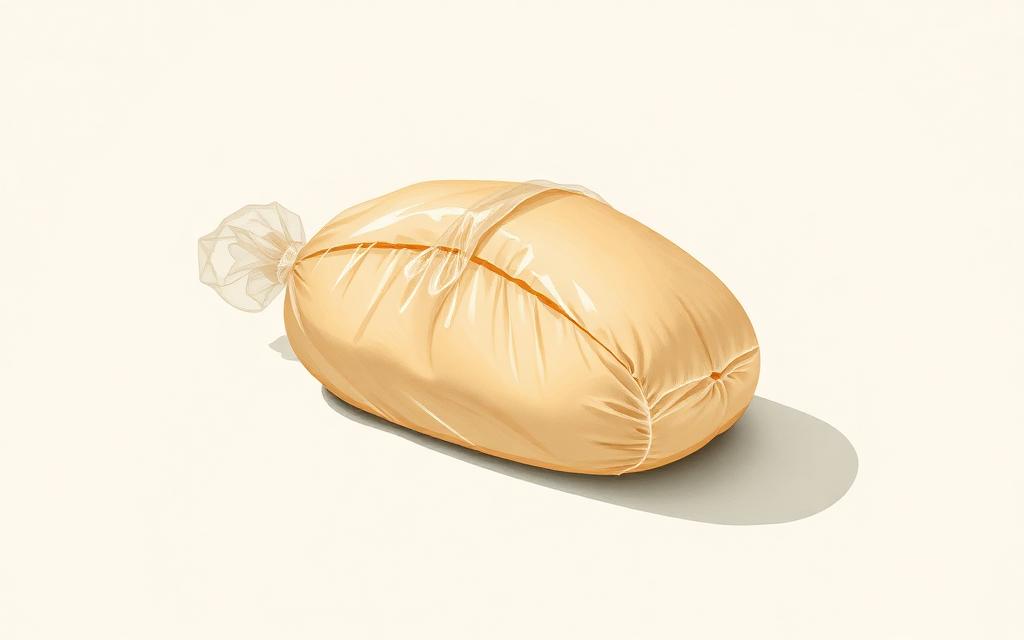
  • A loaf of Agege bread

    A loaf of Agege bread

    one loaf

    10,000

    in 1980

    0.94

    in 2026

  • A bottle of soft drink

    A bottle of soft drink

    35cl glass bottle

    15,000

    in 1980

    3.3

    in 2026

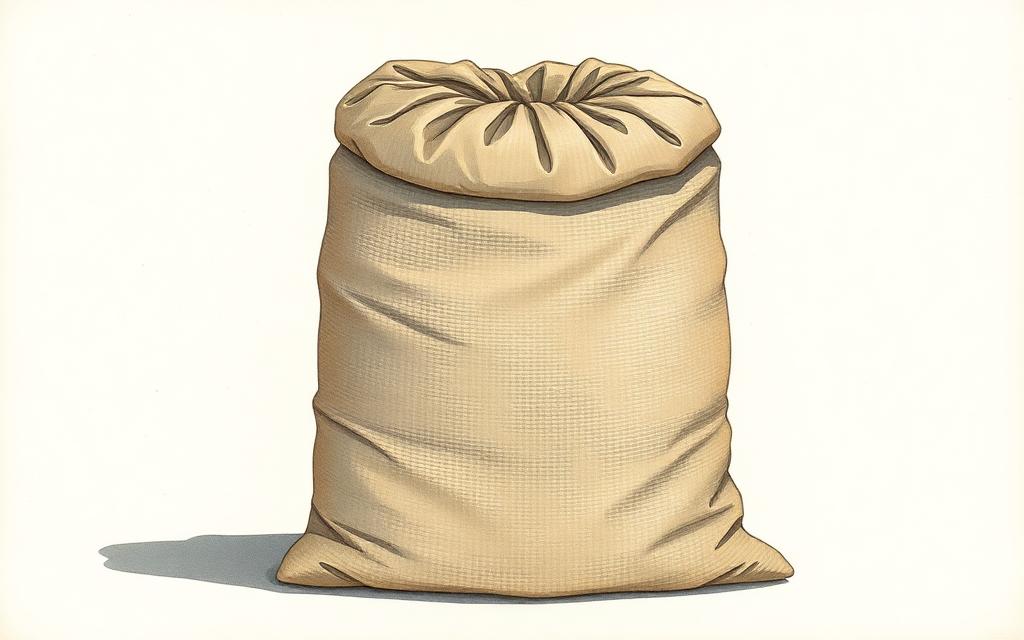
  • A 50kg bag of rice

    A 50kg bag of rice

    50kg, local/imported parboiled

    107

    in 1980

    0.02

    in 2026

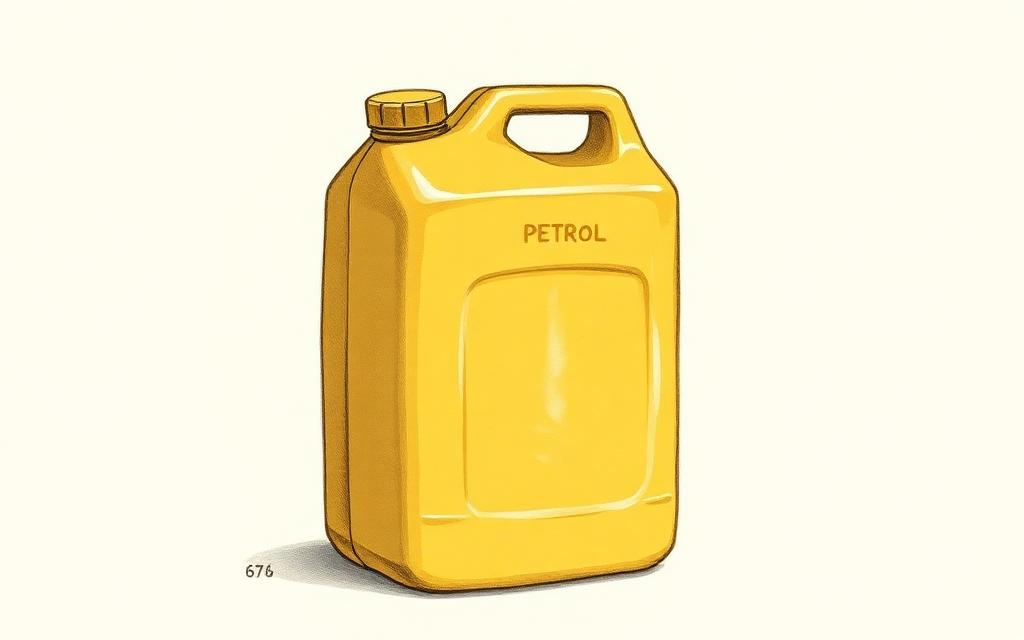
  • A litre of petrol

    A litre of petrol

    one litre, pump price

    9,375

    in 1980

    1.6

    in 2026

  • A year of school fees

    A year of school fees

    one year, federal unity school

    17

    in 1980

    1/193

    in 2026

  • A new motorcycle

    A new motorcycle

    commuter model, new

    1.7

    in 1980

    0

    in 2026

  • A new saloon car

    A new saloon car

    mid-range family saloon, new

    0.30

    in 1980

    0

    in 2026

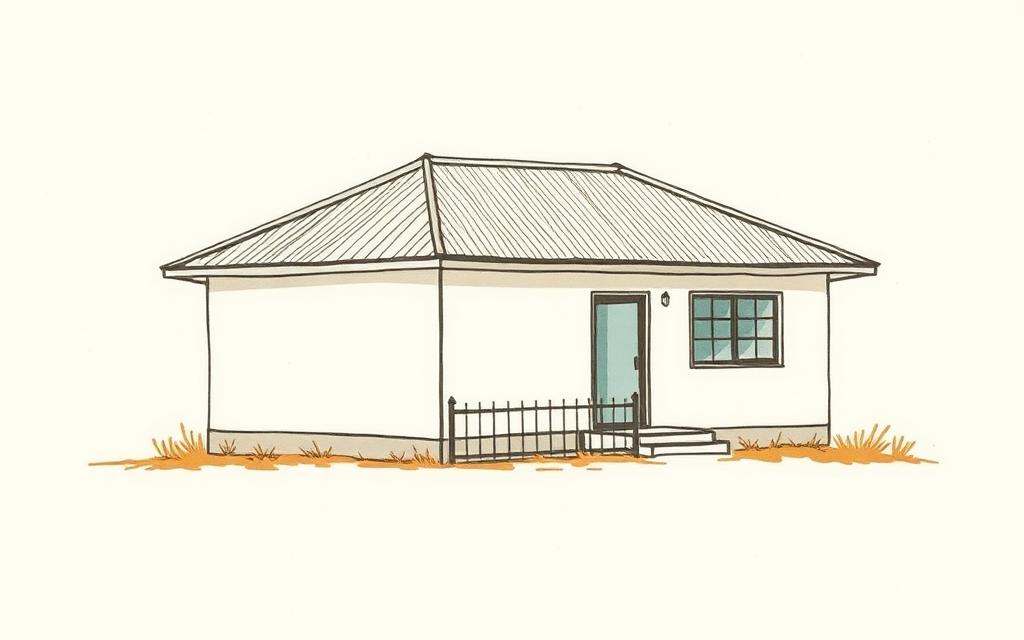
  • A three-bedroom bungalow

    A three-bedroom bungalow

    Lagos mainland, built

    0.07

    in 1980

    0

    in 2026

The conversion uses a chain-linked Nigerian consumer price index (CBN Statistical Bulletin to 2009, NBS CPI thereafter, IMF WEO for the current year), 1960 = 1. The basket is indicative retail pricing compiled from FOS Retail Price Bulletins, NBS Selected Food Prices Watch, NNPC pump-price history and contemporary dealer advertising — national mid-points, not official series. Where the basket and the index disagree, the disagreement is the finding: food and fuel have outrun the general index for fifty years.

Methodology

Tier 1 · primary

Courts. Gazettes. National archives.

Tier 2 · corroborating

OCCRP. HRW. BudgIT. TheCable.

Tier 4 · tertiary, flagged

Wikipedia only where primary is pending. Always labelled.