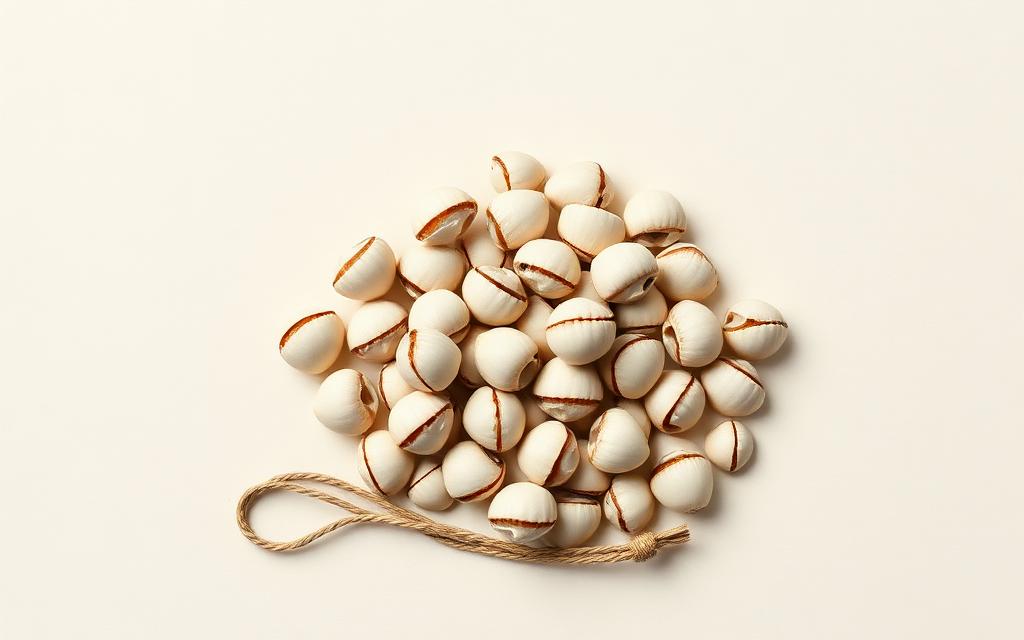
Cowrie shells (*Cypraea moneta*), bred almost exclusively in the Maldives and shipped as ballast on East India Company vessels, were the principal currency of the Bight of Benin, the Bight of Biafra, the Yoruba towns and the Sokoto Caliphate from the 16th to the late 19th century. Marion Johnson's two-part *Cowrie Currencies of West Africa* (JAH, 1970) estimates cumulative 19th-century West African imports at over 10 billion shells, the bulk landing through Lagos, Badagry, Whydah, Bonny, Brass and Calabar. A prime slave at Bonny in the 1780s cost 12,000–16,000 cowries — one 'head'.
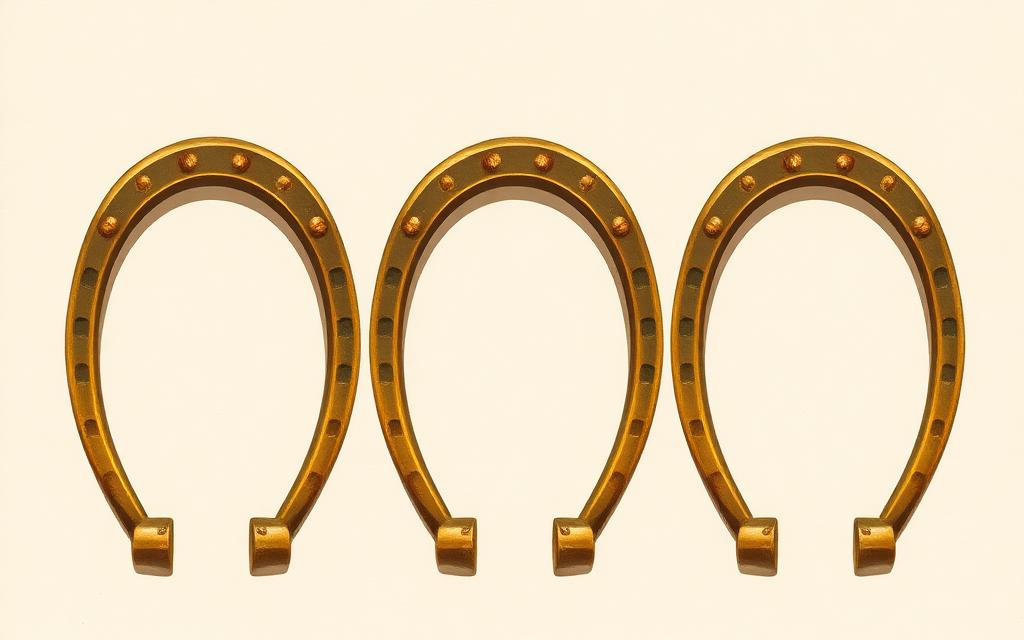
The manilla — a horseshoe-shaped brass currency cast in Birmingham and Nantes for the West African trade — circulated in the Niger Delta and Igboland from the 16th century. Manilla types (Antony, Congo Simgolo, Cutta Antony, Mkporo, Onoudu, Finniman Fawfinna) had different values pegged to regional yam, salt and palm-oil markets.
The orchestrated collapse (1845–1949): • 1845 onward — British and German firms flood Lagos with the larger East African ring cowrie (*Cypraea annulus*) from Zanzibar and Mozambique. Hopkins (1966) documents an over-80% collapse in cowrie purchasing power on the Lagos coast between 1851 and 1869. • 1880 — Lagos Currency Proclamation declares the British silver shilling legal tender in Lagos Colony. • 1906–1908 — Native Revenue Proclamation and Ordinance require direct tax to be paid in coin, not cowries or manillas. Every Southern Nigerian household is forced into the cash-crop economy to acquire sterling. • 6 Nov 1912 — West African Currency Board established; sterling-parity WACB notes and coins issued as the sole legal tender across British West Africa. • 1948–49 — Operation Manilla: the colonial government withdraws 32 million manillas from circulation at a fixed buy-back price — the largest single act of monetary demonetisation in West African history before the 1984 currency change.
The conquest mechanism: the engineered crash of indigenous currency wiped out the working capital of the merchant princes who would otherwise have resisted British treaty terms — Jaja of Opobo (deported 1887), Nana Olomu (Ebrohimi sacked 1894), Oba Ovonramwen of Benin (Punitive Expedition 1897), and the Aro Confederacy (Anglo-Aro War 1901–02). The tax-in-coin requirement of 1908 then compelled every household into the sterling economy. This is Nigeria's first documented imported-inflation episode, ~70 years before the oil-boom naira story.