On 26 October 2022, CBN Governor Godwin Emefiele announced that new N200, N500 and N1,000 notes would enter circulation on 15 December 2022, and that old notes would cease to be legal tender on 31 January 2023 — a six-week swap window for an economy where over 90% of transactions were cash-based. The deadline was extended to 10 February and, by Supreme Court order, to 31 December 2023.
From mid-January 2023 ATMs were dry, banks rationed withdrawals to N20,000/day, mobile money agents charged up to 30% to dispense small denominations, and petty traders refused old notes. Riots and ATM-burnings were recorded in Ibadan, Benin, Warri, Sapele, Ogbomosho, Abeokuta and parts of Lagos in February 2023. Three governors (Kaduna, Kogi, Zamfara) successfully sued at the Supreme Court (3 March 2023) which held that the CBN had acted ultra vires.
The political reading was that the policy was designed to throttle Bola Tinubu's reported cash-distribution plan for the 25 February 2023 election; the policy nonetheless coincided with Tinubu's electoral victory. Emefiele was suspended on 9 June 2023 by President Tinubu and later prosecuted on multiple counts. The episode became a defining critique of the Buhari-Emefiele monetary regime.
Figure 1
Currency in circulation, October 2022 – December 2023 (₦ trillion)
The Emefiele redesign withdrew two-thirds of cash from the economy in eight weeks. The Supreme Court ordered the old notes back into circulation on 3 March 2023.
The money itself
Archival illustrations commissioned for this archive — format, palette and motif of each issue, not a photograph or facsimile.
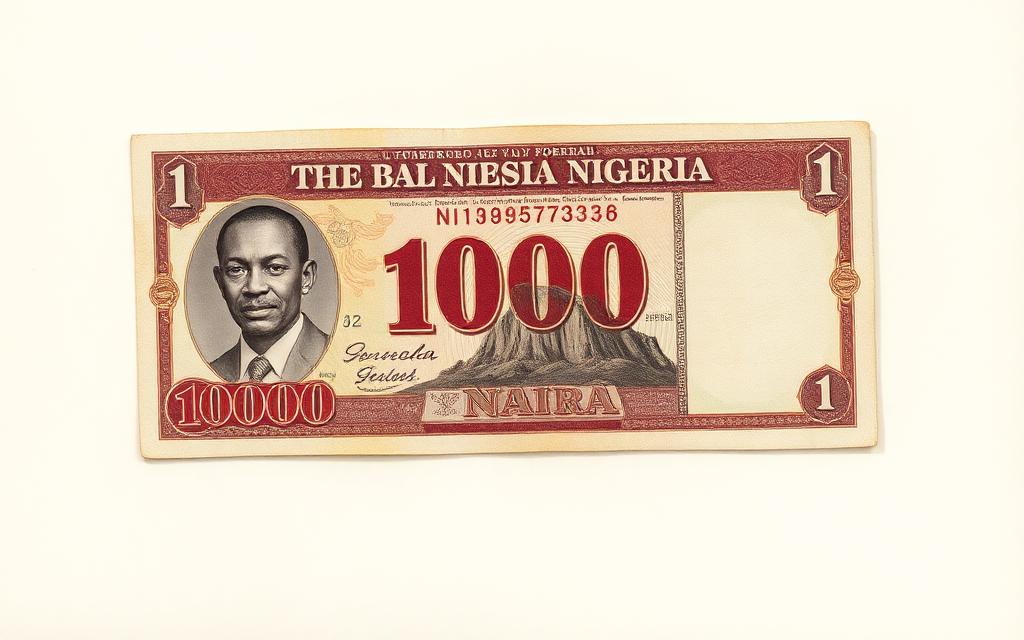
12 October 2005
₦1,000
Aliyu Mai-Bornu and Clement Isong — the first two Nigerian Governors of the Central Bank — on the obverse.
What it bought
₦1,000 in 2005 filled a car's tank with 15 litres to spare.
Worth today
₦1,000 of 2005 ≈ ₦15,800 in 2026 money. It remains the largest note in circulation.
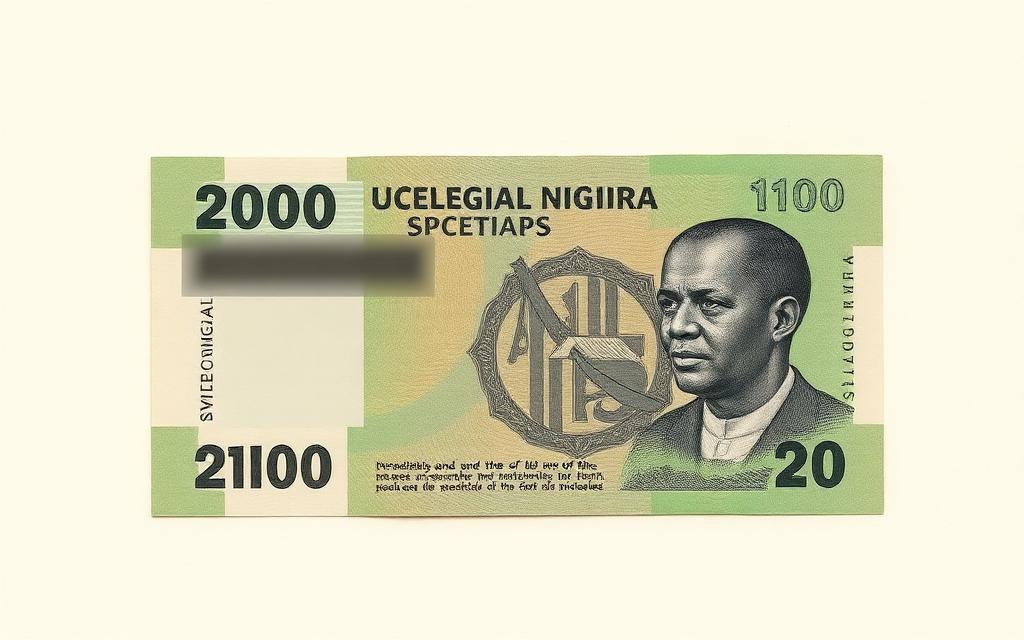
28 February 2007
Polymer series
₦5 to ₦50 reissued on polymer substrate for durability. The paper variants were withdrawn progressively.
What it bought
₦50 in 2007 bought a loaf of bread and change.
Worth today
The whole polymer range is now worth less than the cost of printing it.